Sunday, January 25, 2026
Becoming a Digital Creator... What Do You Build First?

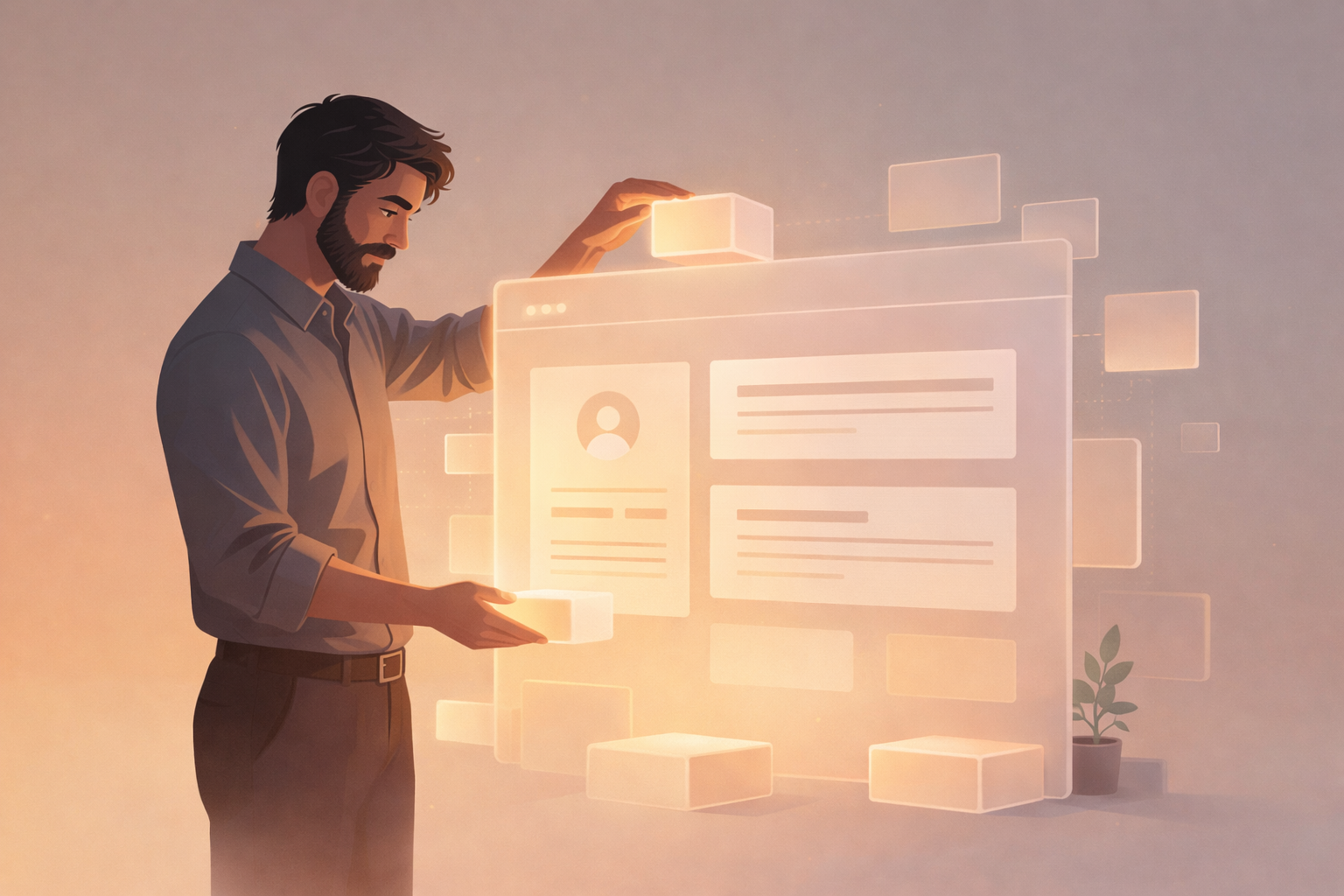
The first thing you build should reduce anxiety, not maximize reach.
Disclaimer: This post contains affiliate links. If you make a purchase through these links, a commission will be earned at no cost to you.
When people decide they want to create something online, they usually skip to the hardest question too quickly.
What should I build?
- A website?
- A blog?
- A newsletter?
- A product?
- A brand?
The internet is full of answers, most of them loud and conflicting. Build everything. Launch fast. Don’t overthink it. Pick a niche. Create an offer. Grow an audience.
It’s no wonder so many people get stuck before they start.
The problem isn’t lack of ambition.
It’s lack of sequencing.
The First Thing You Build Should Reduce Your Anxiety
When you’re creating anything online, the first thing you build shouldn’t maximize reach or revenue. (this is important.)
It should reduce uncertainty.
Early momentum doesn’t come from doing the “right” thing. It comes from doing something -- yes, anything -- that feels stable enough to return to. Something that doesn’t demand constant performance or clarity you don’t yet have.
That’s why the first thing to build is rarely a product or a funnel.
It’s a place.
Start With a Place, Not a Plan
Plans assume you already know what you’re building toward.
Most people don’t — and that’s okay.
A place gives your thinking somewhere to unfold without forcing premature decisions. It lets ideas live long enough to develop. It turns scattered thoughts into something visible and connected.
This is where a simple website works so well.
- Not because it’s impressive.
- Not because it’s optimized.
- But because it can hold unfinished ideas without judgment.
Platforms like WordPress.com support this kind of early-stage creation well because they don’t require you to lock everything in upfront. You can start small, adjust over time, and let structure emerge as clarity grows.
The Homepage Isn’t the Most Important Page
This surprises people.
They spend hours trying to perfect a homepage before they’ve written a single meaningful sentence. The result is usually paralysis.
A homepage is a summary.
Summaries come later.
What matters early on is creating something you can add to.
That might be:
- a simple writing page
- a short “about” section
- a place to publish notes or essays
- a running archive of thoughts
You’re not building a destination yet. You’re building continuity.
Write Before You Design
Design feels productive. Writing feels vulnerable.
That’s why people reach for design first.
Colors, layouts, and themes create the illusion of progress without asking you to say anything. Writing, on the other hand, forces clarity — or at least honesty about its absence.
If you’re creating online, writing is the fastest way to discover what you’re actually building.
Not polished writing.
Not optimized writing.
Just real writing.
A few paragraphs at a time.
This is another place where WordPress.com fits naturally. It prioritizes publishing and iteration over perfection. You can write, adjust, and reorganize without feeling like every change is a commitment.
Don’t Build for an Audience You Don’t Have Yet
One of the quiet traps of early creation is imaginary audiences.
You start asking:
- Will people like this?
- Is this useful?
- Will this perform?
Those questions are unanswerable too early — and they slow everything down.
The first audience is future-you.
Build something you’d want to return to. Something that makes sense when you read it later. Something that reflects how you actually think, not how you think you’re supposed to sound.
If it works for you over time, it will eventually work for others.
The Smallest Useful Thing Wins
When deciding what to build first, ask this:
What’s the smallest thing I could build that would still be useful six months from now?
Not impressive.
Not scalable.
Useful.
Often, that looks like:
- a handful of essays
- a simple archive
- a personal knowledge base
- a record of thinking in public
These compound quietly.
A digital home built this way doesn’t feel empty — it feels unfinished in a way that invites continuation.
You Can Always Add Later
There’s a persistent fear that if you don’t build everything (all the way) upfront, you’ll miss your moment.
But, in reality, the opposite is true.
When you build gradually, every addition is informed by what already exists. Your site grows in response to real use instead of hypothetical needs.
Start with:
- one core page
- one recurring format
- one place to return to
Everything else — newsletters, products, stores, communities — fits more naturally after you understand what you’re actually creating.
This is also where infrastructure starts to matter. As projects grow, the friction shifts from what should I build to how do I keep this reliable without thinking about it all the time.
For people who reach that stage, managed WordPress hosting like Pressable exists to quietly handle performance, updates, and reliability — so attention stays on the work instead of the platform.
Creation Is an Ongoing Conversation
The most sustainable creators don’t “launch” and move on.
They build something they can stay in conversation with.
A digital home makes that possible. It holds old work without freezing it. It allows revisions without erasing history. It supports growth without demanding reinvention.
When your work starts to compound, having infrastructure you don’t have to babysit becomes part of sustaining that conversation.
That’s the real advantage of starting small.
A Final Thought
If you’re unsure what to build first, that uncertainty is information — not a flaw.
Build something that helps you think more clearly.
Build something you can return to.
Build something that lowers friction instead of raising expectations.
When you start with a place instead of a plan, the rest tends to follow.
Continue Reading