Saturday, January 24, 2026
How to Build a Calm Publishing Workflow (Without Burning Out)

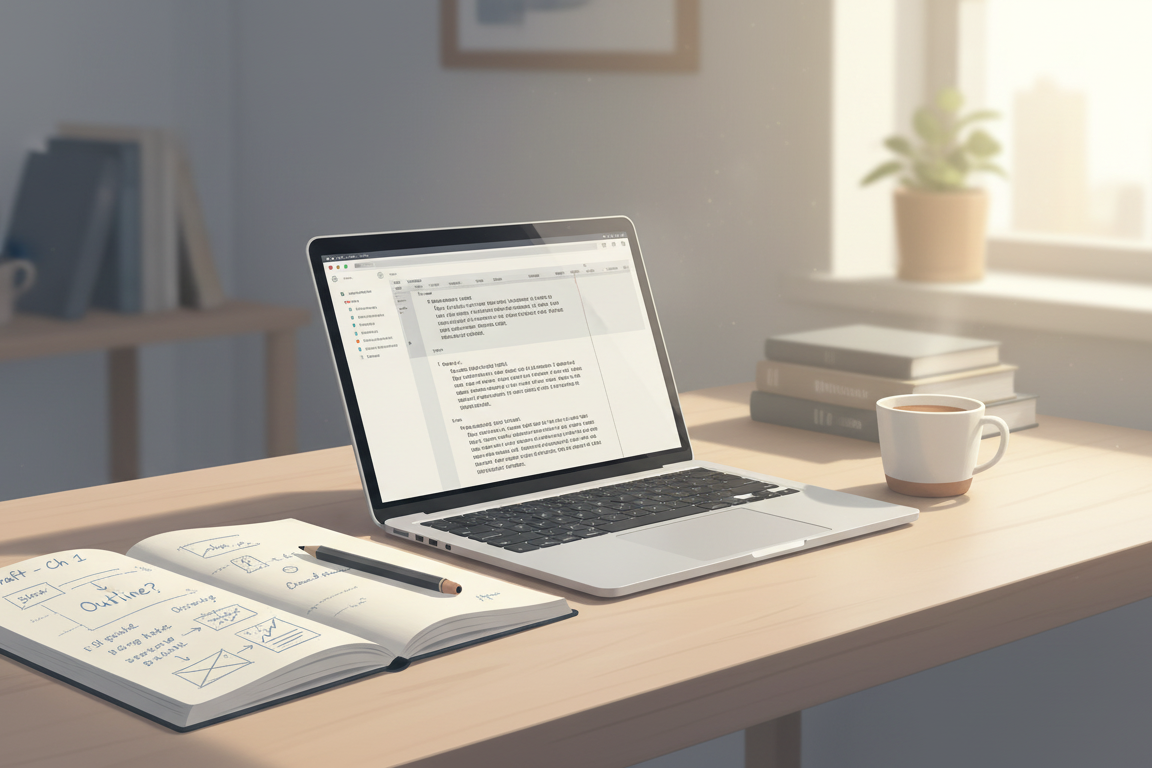
Consistency is about return, not frequency.
Disclaimer: This post contains affiliate links. If you make a purchase through these links, a commission will be earned at no cost to you.
Most people don’t stop publishing because they run out of ideas. They stop because the process eventually becomes exhausting.
The pressure to post regularly...
The feeling that everything has to be polished...
The guilt when consistency slips...
The mental overhead of deciding what to write next...
Over time, publishing stops feeling like expression and starts feeling like obligation.
It doesn’t have to be that way.
Publishing Should Feel Supportive, Not Demanding
A healthy publishing workflow should do one primary thing:
Lower friction. Not increase it.
If your system relies on motivation, perfect timing, or long uninterrupted stretches of focus, it will eventually fail. Life interrupts. Energy fluctuates. Priorities shift.
A calm workflow accounts for this reality. It assumes inconsistency and designs around it.
That’s the difference between publishing occasionally and publishing sustainably.
Start With a Home, Not a Schedule
One of the biggest mistakes people make is starting with a schedule.
** Weekly posts. Daily newsletters. Aggressive streaks. **
Schedules create pressure before there’s structure.
Instead, start with a digital home — a place where unfinished ideas can live without judgment. A place where drafts are allowed to be drafts. Where notes can sit quietly until they’re ready.
When your work has a home, publishing becomes less about deadlines and more about returning.
You’re not starting over every time. You’re picking up where you left off.
Separate Writing From Publishing
This distinction changes everything.
Writing is exploratory.
Publishing is declarative.
When those two are forced to happen at the same time, friction skyrockets. Every sentence feels heavier because it carries the weight of public consumption.
A calm workflow separates them.
You write freely when you have energy.
You publish intentionally when things are ready.
Sometimes that gap is a day. Sometimes it’s weeks. Both are fine.
Build a Small Idea Reservoir
The most relaxed publishers I know always have more ideas than time.
Not because they’re more creative — but because they capture ideas before they disappear.
A note.
A sentence fragment.
A half-formed question.
These don’t need to be polished. They just need to be saved somewhere reliable.
Over time, this becomes an idea reservoir you can draw from when energy is low or clarity is hard to find. Publishing stops being about invention and starts being about selection.
Use Tools to Remove Friction, Not Voice
Modern tools — including AI-assisted ones — are most helpful when they handle structure, not substance.
They can:
- help outline an idea
- suggest ways to organize a draft
- summarize notes
- clean up rough language
What they shouldn’t do is replace thinking.
In a calm workflow, tools act like scaffolding. They help you get unstuck, but they don’t decide what you say or why it matters.
Your voice still comes from lived experience. The tools simply reduce the resistance between thought and expression.
One Canonical Place Changes Everything
A calm publishing workflow benefits enormously from having one canonical place where everything lives.
For many people, that canonical place is built on WordPress.com.
WordPress.com works well as a digital home because it removes a lot of background decisions — hosting, updates, performance, and maintenance — so your attention can stay on writing and thinking instead of infrastructure.
Not ten platforms.
Not scattered drafts.
Not posts lost to timelines.
One place where:
- ideas accumulate
- context remains intact
- old work stays accessible
- new work builds on what came before
This is what turns publishing into a long game instead of a constant reset.
When you have a digital home, publishing stops feeling ephemeral. Your work begins to stack instead of vanish.
Consistency Is About Getting Back To It, Not Frequency
Consistency is often misunderstood.
It’s not about how often you publish.
It’s about how easily you return.
A calm workflow makes returning frictionless. You don’t dread opening a blank page because you rarely face one. There’s always something waiting — a note, a draft, a question worth revisiting.
This kind of consistency survives busy seasons and low-energy weeks. It doesn’t rely on discipline alone. It relies on design.
Publishing Can Be Quiet and Still Matter
Not every piece needs to perform.
Some writing exists to clarify thinking.
Some to document growth.
Some simply to exist.
A calm workflow leaves room for this.
It allows publishing to support your life rather than compete with it. Over time, this creates trust — both with readers and with yourself.
You stop forcing output and start building continuity.
A Thought Worth Keeping
If publishing feels heavy, the answer usually isn’t to push harder.
It’s to redesign the system.
Start with a home.
Separate writing from publishing.
Capture ideas early.
Lower friction wherever you can.
A calm workflow doesn’t make you publish more.
It makes publishing feel possible again.