Sunday, December 21, 2025
Why a Website Belongs on Your 2026 Reset List


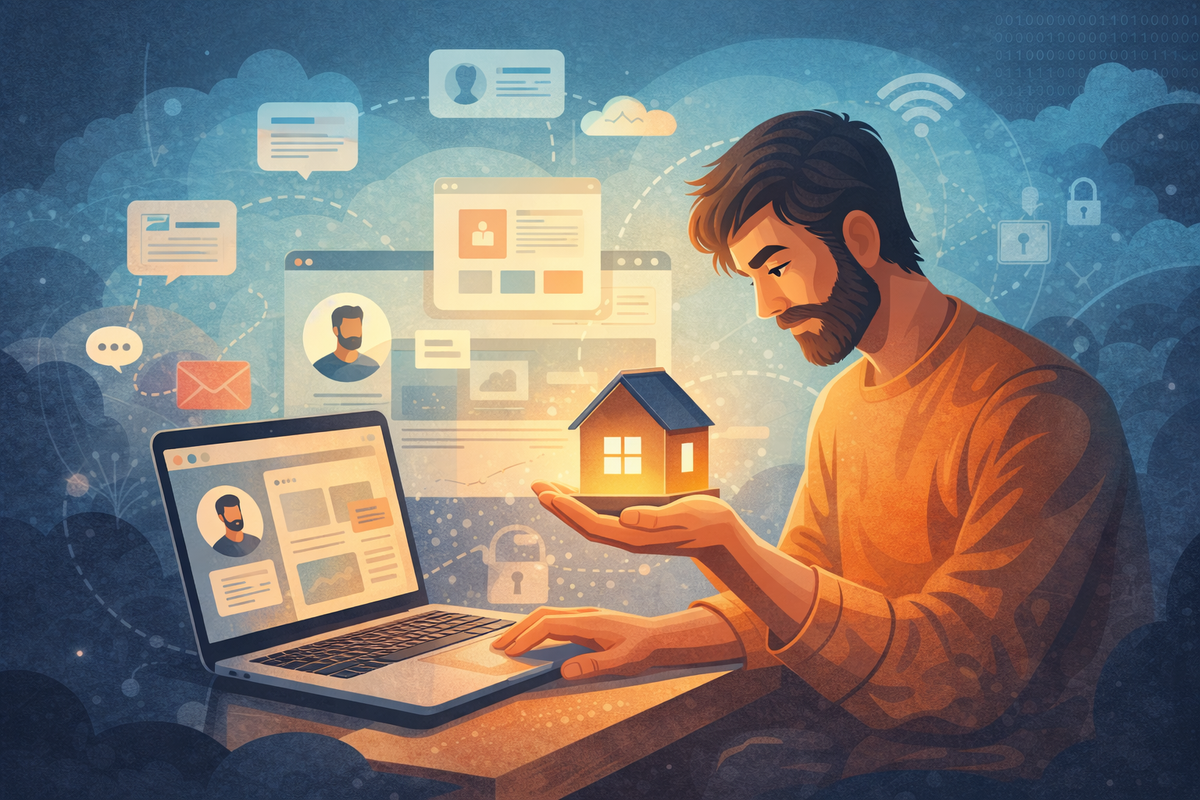
A digital identity without a home becomes fragmented.
- Disclaimer: This post contains affiliate links. If you make a purchase through these links, I may earn a commission at no extra cost to you.
January is a time of reckoning. A quiet honesty that makes you think.
The noise of the previous year fades, the calendar clears just enough to think, and people start asking better questions. Not bigger ones, better ones.
What will I be building this year?
What really matters?
What can I do that is purely mine?
For many people, a website doesn’t show up on a list of New Year’s resolutions. It feels too technical, too common, or too tied to business goals. But after years of building, rebuilding, and watching digital projects come and go, I’ve come to believe that:
A website is not just a tool.
It’s a form of structure.
And in January, structure matters the most.
January is for Systems, Not Motivation
Motivation is unreliable. Systems aren’t.
That’s why January works so well for resets. It’s not about becoming a new person overnight. It’s about reorganizing the way things work so you don’t have to rely on willpower to keep going.
We do this naturally in other areas of our lives:
- We clean out our closets
- We organize finances
- We create routines
- We simplify commitments
- We learn to say "no."
Our digital lives deserve the same kind of attention.
A website gives shape to ideas that otherwise sit on the back burner unfinished. It turns our intentions into something visible and usable. Instead of saying “someday I’ll…”, you’re creating a place where that future version of your work can live.
That alone makes building a website worth considering.
A Website Turns Vague Goals Into Something Real
Most goals fail because they stay abstract.
“Write more.”
“Start something.”
“Build an audience.”
“Launch a project.”
A website forces clarity. You can’t avoid decisions forever when you’re building something tangible. Even a simple site asks honest questions:
What is this for?
Who is it for?
What belongs here — and what doesn’t?
Those questions are uncomfortable at first, but they’re clarifying. And clarity is one of the most valuable outcomes of a January reset.
A website doesn’t have to be perfect or complete. It just has to exist. Once it does, progress becomes visible — and visible progress is easier to continue.
Ownership Matters More Than Ever
We’re living in a rented digital world.
Social platforms are useful, but they’re not stable or predictable. Algorithms change. Accounts disappear. Reach fluctuates. What works one year might quietly stop working the next.
A website, by contrast, is a space you own.
When you build on WordPress.com, you’re creating something you control--your content, your structure, and your long-term presence. That sense of ownership creates stability. It reduces the anxiety of constantly adapting to someone else’s rules and builds trust over time.
That sense of ownership creates stability. It reduces the anxiety of constantly adapting to someone else’s rules. And over time, it builds trust — both with your audience and with yourself.
A website says: this matters enough to give it a home.
Websites are not just for businesses
You might assume websites are only for companies or professional creators.
In reality, they support any meaningful project:
- personal writing
- education
- community initiatives
- side businesses
- digital portfolios
- creative experiments
- online stores
- long-term documentation
A website doesn’t have to justify itself financially to be valuable. Sometimes its purpose is simply to organize your thinking, gather your work, or give a project room to grow.
That flexibility is one of the reasons WordPress.com continues to work well for people who think long-term. It adapts as projects evolve, instead of forcing you to outgrow it.
AI Changes the Starting Line (Not the Finish Line)
One reason websites feel more approachable in 2026 is the way AI-assisted tools help with momentum. Planning pages, outlining ideas, and shaping early drafts no longer requires starting from scratch every time.
Tools built into WordPress.com support this kind of work — helping you move from intention to structure without removing the need for judgment or care. AI doesn’t replace thinking; it helps you get unstuck long enough to make better decisions.
AI-assisted tools can help with:
- outlining ideas
- structuring pages
- drafting early versions
- refining language
- generating layout suggestions
What they don’t do is replace intention.
The best use of AI isn’t automation--it’s momentum. It helps you move past the blank page and into something you can shape. When paired with WordPress.com’s writing and design tools, it lowers the friction of getting started without removing the need for thought or care.
That balance matters.
A website still reflects your voice, your choices, and your priorities. AI just helps you get unstuck long enough to make those decisions.
Stability Is an Underrated Goal
Not everything has to scale.
Sometimes the goal for a new year is stability — fewer moving parts, fewer fragile systems, fewer places things can break. A website contributes to that kind of calm.
Stability is often overlooked, but it’s one of the most valuable outcomes of a digital reset.
Features like real-time backups, security scanning, and performance optimization — provided through tools like Jetpack — quietly remove background stress. When you know your work is protected and your site is running smoothly, it becomes easier to focus on what you’re actually trying to build.
These aren’t flashy features, but they matter when you’re trying to build something that lasts. They remove background stress and let you focus on the work itself.
That’s what good infrastructure does — it fades into the background.
A Website Reduces Reliance on Social Platforms
Social platforms are great for discovery. They’re not great as a single source of truth.
When everything lives on a platform you don’t control, you’re constantly adjusting. A website gives you an anchor point. It becomes the place you can always send people — regardless of where they found you.
That consistency builds credibility.
Over time, it also builds confidence. You’re no longer reacting to trends as much as you’re reinforcing something you’ve intentionally built.
Start Smaller Than You Think You Should
One of the biggest mistakes people make in January is trying to do too much at once.
A website doesn’t need:
- dozens of pages
- complex features
- perfect branding
- a grand launch
It needs a beginning.
One page.
A simple structure.
A clear purpose.
WordPress.com makes this kind of start easy to manage and easy to evolve. You can grow into it at your own pace, adding features only when they make sense.
That’s a healthier way to build — and a better way to start a year.
Why This Belongs on a 2026 Reset List
A website belongs on a New Year’s reset list because it does something subtle but powerful:
It creates alignment.
It aligns ideas with structure.
Goals with visibility.
Effort with ownership.
In a year where so much happens online, having a stable place to build from isn’t optional — it’s grounding.
You don’t need to know exactly where the project will go. You just need to give it somewhere to live.
January is a good time for that.
A Quiet Way to Begin
If you’re considering a digital reset for 2026, start with something that lasts.
Build something you own.
Keep it simple.
Let it evolve.
A website doesn’t need to be a resolution.
It can be the structure that supports all the others.
If 2026 is the year you want fewer moving parts and more alignment, building a website is a practical place to start. You don’t need to know exactly where it will lead — you just need a stable place to begin.
WordPress.com makes that beginning easier to manage and easier to grow over time.
Continue Reading