Sunday, December 14, 2025
Lessons of Happiness I Learned From a Mountain Village

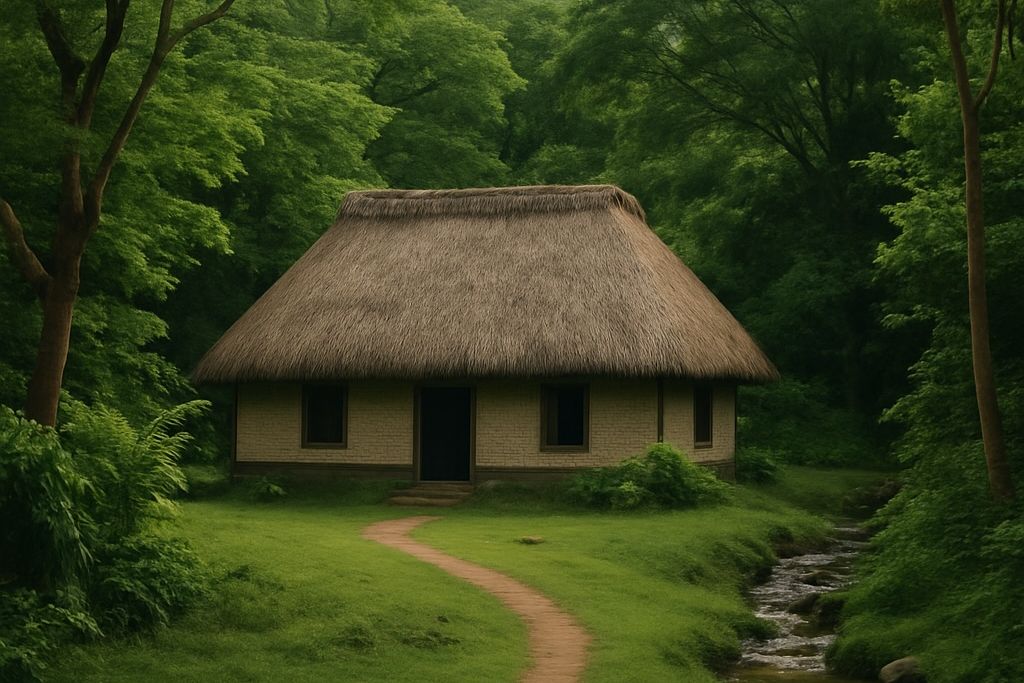
Happiness took precedence over worldly success.
The town I live in is small — though it’s growing fast.
Growth brings convenience, opportunity, and momentum. It also brings urgency. Schedules fill up. Expectations rise. Life begins to feel like something you’re constantly managing rather than inhabiting.
That contrast is probably why a memory from a much smaller place has stayed with me for years.
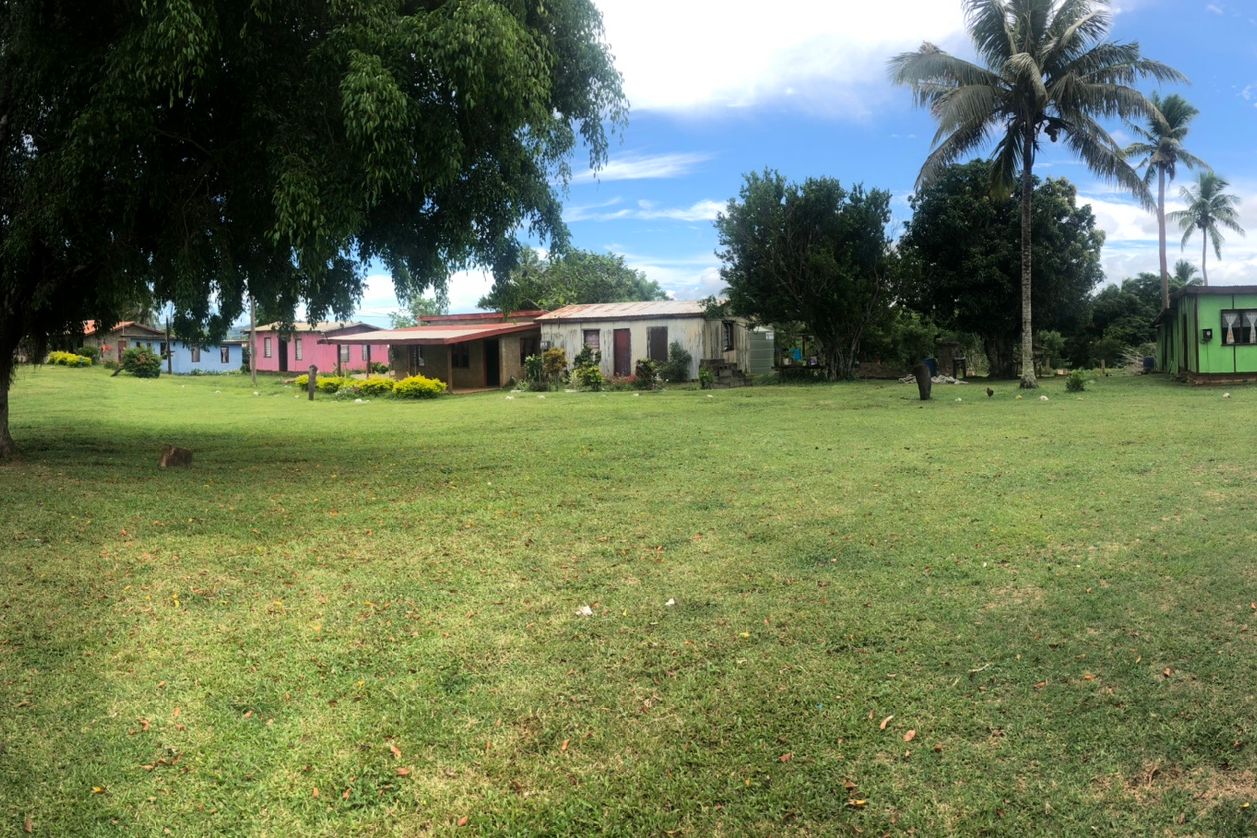
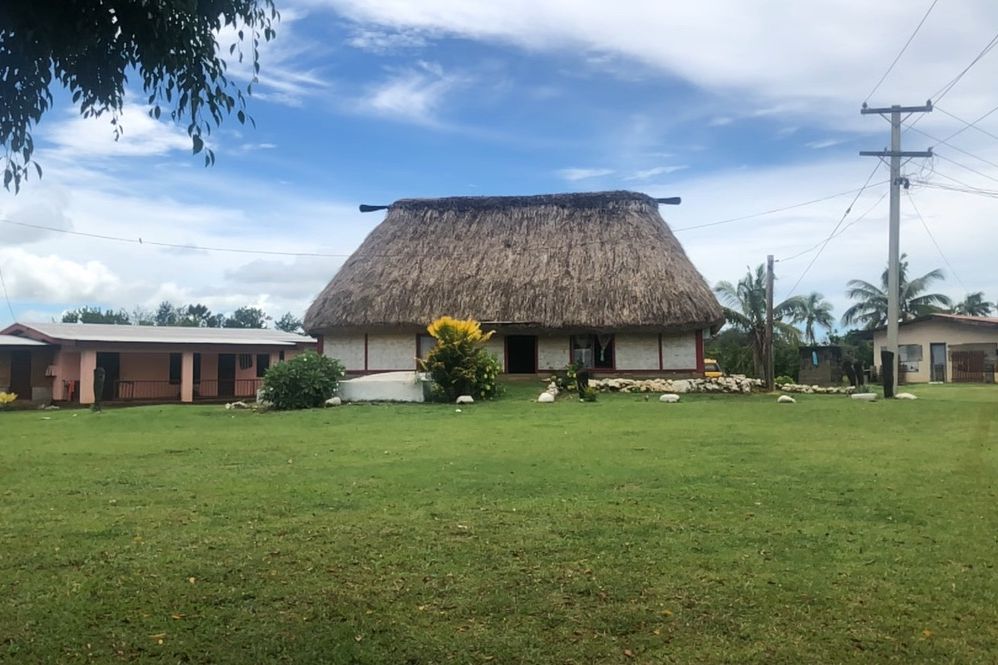
I once visited a tiny village in Fiji. It was made up of grass huts, open paths, and people who lived close to the land and even closer to one another. There were no televisions. No sense of rushing. No background noise constantly demanding attention.
Life moved slowly — not because people lacked ambition, but because nothing was trying to pull them away from the present moment.
I spent time with the people there. I drank kava with them, sitting together in simple spaces, listening more than talking. It didn’t feel like a performance or a cultural demonstration. It felt like daily life — shared, unhurried, and complete.
What struck me most was the absence of urgency.
No one seemed anxious about what came next. No one was multitasking their way through the moment. Children were happy without needing to be entertained. Adults were present without needing distraction.
The pace itself felt like a form of wealth.
The people in that village seemed genuinely happy — not in a loud or performative way, but in a settled, grounded one.
They weren’t just neighbors. They were family.
Interdependence wasn’t a philosophy; it was the structure of life. People relied on one another naturally — for food, for care, for connection. There was no illusion of radical independence. Everyone belonged to everyone else.
And because of that, no one was carrying life alone.
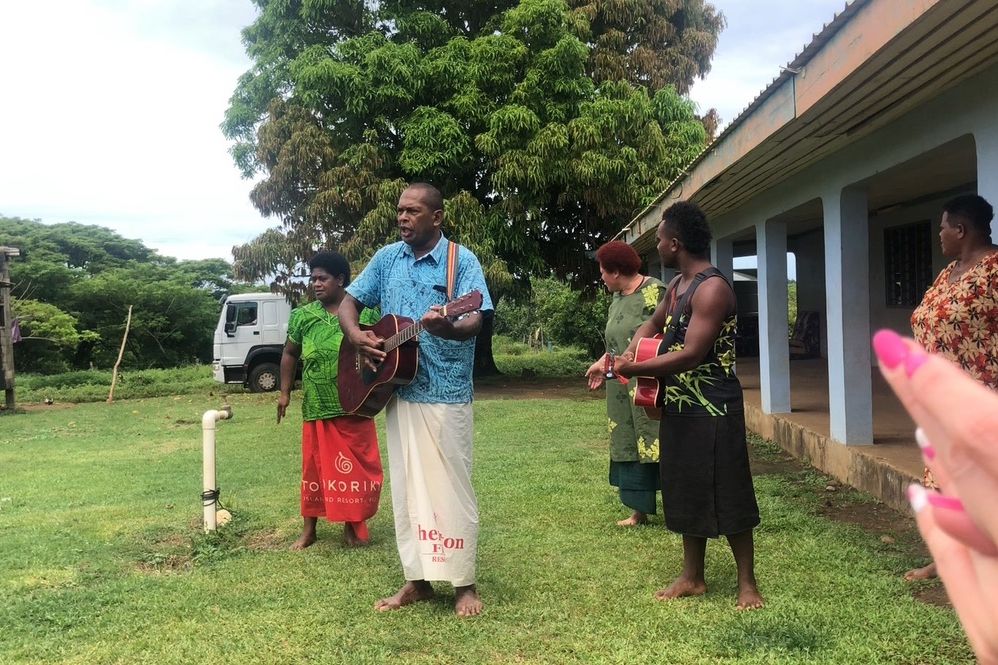
One of the moments I still return to in my mind is the sound of the village singing together.
Beautiful harmonies, voices rising and blending in unison. No audience. No recording. Just people participating fully in something shared.
It wasn’t impressive because of technical skill. It was powerful because of presence.
In that moment, it became clear that happiness there wasn’t measured by status, accumulation, or achievement. It was rooted in connection. In rhythm. In knowing where you belong.
Happiness took precedence over worldly success — and nothing felt lacking because of it.
I didn’t come back wanting to abandon modern life or pretend simplicity is easy.
But I did come back changed.
I carried with me the reminder that happiness doesn’t always come from progress or growth. Sometimes it comes from slowing down enough to notice what’s already enough. From letting community matter more than efficiency. From choosing presence over urgency.
That village didn’t teach me how to be more productive.
It taught me how to be more human.
And every so often, when life starts to feel rushed or overly complex, I return to that memory — the pace, the laughter, the harmonies — and remember that happiness is often simpler, and closer, than we think.